

In today’s hyper-competitive digital landscape, brands are constantly seeking new avenues to connect directly with their customers, foster loyalty, and drive sustainable growth. The direct-to-consumer (DTC) model has emerged as a transformative force, allowing companies to bypass traditional retail intermediaries and build more intimate, data-rich relationships with their audience. While many startups have embraced DTC from inception, established giants are also making significant shifts. Few have navigated this transition as masterfully as Nike, transforming its business model and building a digital ecosystem that generates unparalleled customer loyalty and staggering growth.
This deep dive will unpack Nike’s strategic pivot to DTC, revealing the integrated digital marketing tactics that fuel its success. For business owners, founders, and marketing managers looking to enhance their digital strategy, build stronger customer relationships, and unlock new growth opportunities, Nike’s playbook offers invaluable lessons.
Understanding the Direct-to-Consumer (DTC) Imperative
The DTC model isn’t merely a distribution strategy; it’s a fundamental shift in how brands interact with their market. Traditionally, manufacturers relied on wholesalers and retailers, ceding control over customer data, brand experience, and often, pricing. The rise of e-commerce, sophisticated digital marketing tools, and evolving consumer expectations has empowered brands to reclaim this control.
Key drivers for the DTC shift include:
- Data Ownership: Direct access to customer purchase history, preferences, and engagement patterns, enabling hyper-personalization and informed product development.
- Enhanced Customer Experience: Full control over the brand narrative and customer journey, from initial discovery to post-purchase support.
- Higher Margins: Eliminating intermediary costs can significantly improve profitability.
- Agility & Innovation: Direct feedback loops allow for quicker product iterations and marketing adjustments.
- Stronger Brand Building: Fostering a direct, emotional connection with the consumer, leading to greater loyalty and advocacy.
While the benefits are clear, the challenges — including managing logistics, customer service, and scaling marketing efforts — are substantial. This is where a meticulously planned and executed digital strategy becomes non-negotiable.
Nike’s Digital Transformation: A Strategic Playbook
For decades, Nike relied heavily on wholesale partners like Foot Locker and JD Sports. While this strategy built global distribution, it also created a buffer between Nike and its end-users. Recognizing the shifting tides of consumer behavior and the power of digital, Nike embarked on its “Consumer Direct Acceleration” strategy in 2017, a bold initiative to prioritize direct sales and digital engagement.
This wasn’t a piecemeal effort but a holistic transformation built on several strategic pillars:
- Digital-First Mindset: Prioritizing digital channels for engagement, sales, and service.
- Data Centralization: Aggregating customer data from all touchpoints to create a unified view.
- Personalization at Scale: Leveraging data to deliver tailored experiences across the customer journey.
- Membership Ecosystem: Creating compelling reasons for customers to become part of the Nike community.
- Innovation in Retail: Integrating digital experiences into physical stores.
Building the Digital Ecosystem: More Than Just an E-commerce Site
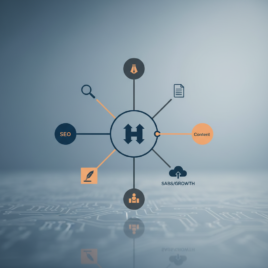
Nike’s DTC success stems from its robust and interconnected digital ecosystem, far surpassing a simple online store. It’s a network designed for continuous engagement and value delivery.
- Nike.com: The Central Commerce Hub: Beyond a transactional platform, Nike.com serves as the primary gateway for product discovery, storytelling, and membership integration. Its user experience is meticulously optimized for speed, personalization, and seamless navigation across devices.
- Nike Apps (SNKRS, Nike Training Club, Nike Run Club): Engagement & Personalization Powerhouses: This is where Nike truly differentiates itself.
- SNKRS: A dedicated app for exclusive shoe releases, leveraging hype and community. It provides notifications, storytelling behind designs, and an efficient purchasing experience for limited editions, turning every drop into an event.
- Nike Training Club (NTC) & Nike Run Club (NRC): These apps offer free, high-quality workout programs, guided runs, and fitness tracking. They build massive value for users, keeping Nike top-of-mind not just as a product provider but as a lifestyle partner. Critically, these apps collect invaluable data on user activity, preferences, and fitness goals, which Nike then uses for highly targeted marketing.
- Social Media Integration: Community & Content Amplifier: Nike leverages platforms like Instagram, YouTube, and TikTok not just for product showcases but for cultural connection. They encourage user-generated content, collaborate with athletes and artists, and create aspirational campaigns that resonate deeply with their target audience.
- Email & CRM: Direct Communication & Loyalty Nurturing: Nike employs sophisticated email marketing and CRM strategies to communicate directly with its members. This includes personalized product recommendations, exclusive access to sales and content, event invitations, and birthday offers, all tailored based on purchase history, app engagement, and declared preferences.
The Power of Personalization and Data-Driven Insights
At the heart of Nike’s digital ecosystem is its sophisticated use of data to drive personalization. Every interaction, from app usage to website browsing and purchase history, feeds into a comprehensive customer profile. This data allows Nike to:
- Deliver Tailored Product Recommendations: If a user frequently tracks runs and buys running shoes, they’ll see more content and offers related to running gear.
- Offer Exclusive Access & Promotions: Members receive early access to new collections, personalized discounts, and invitations to members-only events.
- Enhance the In-Store Experience: Digital profiles can be linked to in-store purchases and experiences, creating a cohesive omnichannel journey.
This hyper-personalization significantly boosts customer lifetime value (CLTV) by making customers feel understood and valued, driving repeat purchases and stronger brand affinity.
Content Marketing as a Brand & Engagement Driver
Nike has always been a master storyteller, and its digital content strategy reinforces this legacy. Beyond product features, Nike uses content to inspire, educate, and entertain.
- Aspirational Storytelling: Campaigns featuring world-class athletes, highlighting themes of perseverance, achievement, and overcoming challenges, resonate deeply. This content is distributed across its website, social channels, and apps.
- Educational Content: The NTC and NRC apps are prime examples, offering expert-led fitness content that adds tangible value to users’ lives. Blog posts on Nike.com cover training tips, product technology, and sustainability initiatives.
- Culture and Community: Content often focuses on the intersection of sport, fashion, music, and art, positioning Nike as a cultural arbiter.
Nike’s SEO strategy is interwoven with its content efforts, ensuring that their valuable content ranks for relevant keywords, driving organic traffic not just for product discovery but for informational queries related to fitness, sports, and lifestyle. This builds significant topical authority and brand relevance.
Social Media: Community, Culture, and Commerce
Nike’s social media strategy is a masterclass in building community and amplifying brand culture.
- Platform-Specific Content: Utilizing Instagram for stunning visuals and lifestyle content, YouTube for longer-form ads and athlete features, and TikTok for engaging, short-form, and often user-generated content challenges.
- User-Generated Content (UGC): Encouraging customers to share their fitness journeys and Nike apparel, fostering a sense of belonging and authenticity.
- Strategic Influencer Collaborations: Partnering with athletes and cultural figures who genuinely embody the Nike spirit, focusing on authentic engagement rather than just reach.
- Social Commerce: Integrating shopping directly within social platforms, streamlining the path from discovery to purchase.
Performance Marketing for the Digital Age
While organic and brand-building efforts are crucial, Nike also deploys sophisticated performance marketing to drive targeted traffic and conversions.
- Strategic PPC Across Channels: Leveraging Google Ads for search intent, and social media advertising (Facebook, Instagram, YouTube) for targeted audience segmentation based on demographics, interests, and behavior.
- Remarketing & Audience Segmentation: Dynamic remarketing campaigns remind users of products they viewed, while custom audiences allow Nike to target specific groups with highly relevant offers – for instance, gym-goers who downloaded NTC or runners who completed a marathon.
- Connected Paid Efforts to Membership: A significant goal of Nike’s paid campaigns is not just immediate sales but driving app downloads and NikePlus membership sign-ups, recognizing the long-term value of a loyal member.
Nike measures success not just on immediate Return on Ad Spend (ROAS) but also on how paid efforts contribute to overall customer lifetime value and membership growth, reflecting a long-term, strategic approach to performance marketing.
The Unrivalled Customer Loyalty Loop: Nike’s Membership Model
The NikePlus membership program is the ultimate manifestation of their DTC strategy. It’s not just a loyalty program; it’s the core of their digital ecosystem, creating a virtuous cycle of engagement, data capture, and value delivery.
- Exclusive Benefits: Members receive free shipping, exclusive access to products, personalized offers, early access to sales, and priority customer service.
- Enhanced Engagement: Access to NTC and NRC premium features encourages active participation and builds consistent touchpoints.
- Psychological Aspect: Being a “NikePlus Member” creates a sense of belonging, exclusivity, and status, reinforcing the emotional connection to the brand.
This membership model provides Nike with a treasure trove of first-party data, allowing for continuous optimization of products, marketing messages, and the overall customer experience. It transforms transactional customers into loyal brand advocates.
Key Takeaways for Business Owners & Marketers
Nike’s journey offers profound insights for any business aspiring to build stronger digital relationships and unlock sustainable growth:
- Embrace a Digital-First Mindset: Prioritize digital channels for customer engagement, service, and sales. It’s not just an add-on; it’s foundational.
- Invest in a Robust Digital Ecosystem: Think beyond a single website. Consider how apps, social media, and CRM systems can work together to create a seamless, interconnected experience.
- Prioritize Personalization and Data Utilization: Collect, analyze, and act on customer data to deliver highly relevant and valuable experiences. This is the bedrock of loyalty.
- Build Community, Not Just Customers: Give your audience reasons to connect with your brand beyond transactions. Offer value, foster belonging, and encourage engagement.
- Measure Long-Term Value, Not Just Short-Term Sales: Focus on metrics like Customer Lifetime Value (CLTV) and member growth, recognizing that true loyalty is built over time.
- Strategic Content is King: Use content to inspire, educate, and entertain, aligning with your brand’s values and your audience’s aspirations.
For businesses navigating this complex shift, understanding the nuances of building a cohesive digital ecosystem and implementing a data-driven strategy is paramount. This is where expertise in digital marketing, branding, and performance optimization becomes invaluable. Agencies like Branding Brains specialize in helping brands chart this course, from initial strategy development to execution across all digital touchpoints, ensuring a holistic approach to growth. The Nike case study powerfully demonstrates that with a clear vision and strategic digital execution, any brand can transform its relationship with its customers and achieve unrivalled success.
Conclusion
Nike’s DTC revolution is a testament to the power of an integrated, customer-centric digital strategy. By meticulously building a comprehensive digital ecosystem, leveraging data for personalization, and fostering a vibrant membership community, Nike has not only driven impressive financial growth but has also cemented its position as a global leader in customer loyalty. As the digital landscape continues to evolve, the lessons from Nike’s journey – focusing on direct relationships, value creation, and continuous innovation – will remain critical for any brand aiming to thrive in the direct-to-consumer era.