

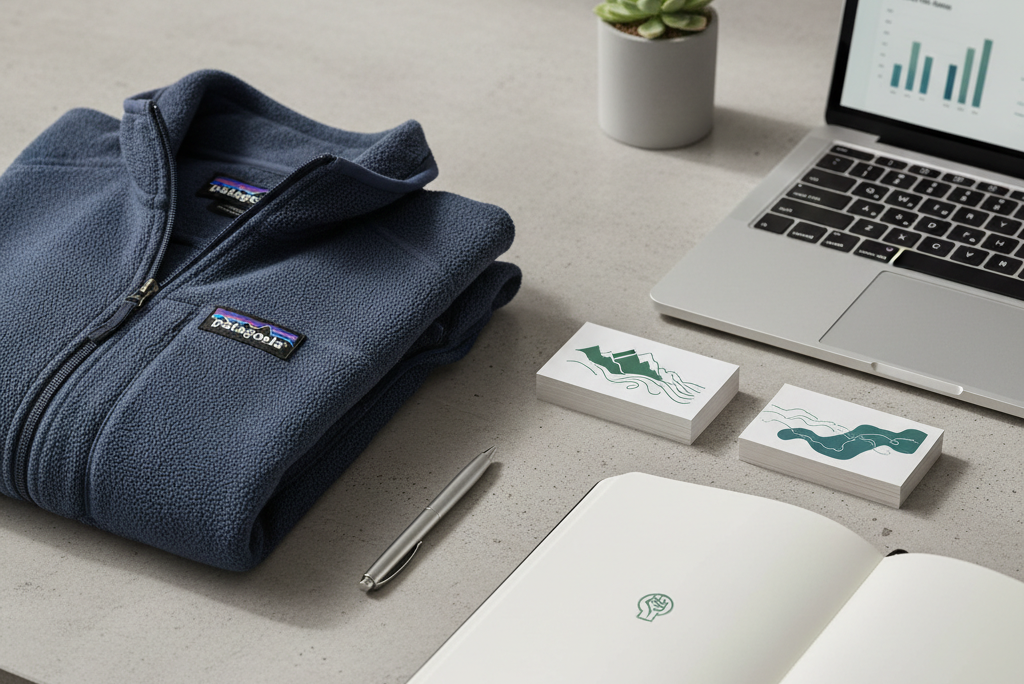
In a world saturated with aggressive advertising and fleeting trends, some brands choose a different path – one deeply rooted in values, authenticity, and a mission beyond profit. Patagonia, the outdoor apparel and gear company, stands as a testament to this unconventional approach. Far from traditional marketing tactics, Patagonia has meticulously built a global brand empire not by urging consumers to buy more, but often, to buy less, repair, and engage with environmental causes. Their strategy is a masterclass in purpose-driven marketing, demonstrating how unwavering commitment to a mission can forge unparalleled customer loyalty and robust growth.
The Genesis of a Movement: Patagonia’s Core Philosophy
Patagonia’s journey began in 1973, founded by Yvon Chouinard, a passionate climber whose initial focus was on creating durable, functional climbing gear. From the outset, environmental responsibility was not an afterthought but an intrinsic part of the business model. This commitment to “using business to inspire and implement solutions to the environmental crisis” is not just a slogan; it’s woven into every decision, from supply chain and manufacturing processes to product design and marketing communications.
Their philosophy champions:
- Durability and Quality: Products are designed to last, reducing the need for constant replacement.
- Environmental Stewardship: A significant portion of their profits (1% for the Planet) is dedicated to environmental causes.
- Radical Transparency: Openness about their supply chain, materials, and even their environmental impact.
- Anti-Consumerism: Actively encouraging customers to reduce consumption, repair items, and buy only what they need.
This foundational ethos provides the authentic bedrock upon which their entire marketing strategy rests. It’s not about selling a product; it’s about inviting customers to be part of a larger movement.
The “Don’t Buy This Jacket” Campaign: A Paradox of Persuasion
One of Patagonia’s most iconic and counter-intuitive marketing campaigns was the “Don’t Buy This Jacket” ad published in The New York Times on Black Friday 2011. This campaign perfectly encapsulated their anti-consumerist stance and commitment to sustainability.
Strategy and Message:
- Bold Statement: Directly challenged the consumerist culture of Black Friday.
- Call to Action: Encouraged readers to consider the environmental impact of their purchases, advocating for repairing existing items over buying new ones.
- Reinforcing Values: Highlighted Patagonia’s commitment to producing durable, long-lasting goods and taking responsibility for their environmental footprint.
Impact and Learning:
Instead of deterring sales, the campaign significantly boosted brand awareness and loyalty. It resonated deeply with their target audience, who valued authenticity and shared environmental concerns. For marketers, this campaign underscores the power of:
- Standing for Something: Brands that take a clear, consistent stance on important issues can build stronger emotional connections.
- Trust Through Honesty: Openly addressing the downsides of consumerism, even if it seems counterproductive, can build immense trust and credibility.
- Differentiating in a Crowded Market: While competitors pushed deals, Patagonia offered a philosophy, making them truly unique.
The Worn Wear Program: Extending Product Life and Brand Loyalty
Building on the “Don’t Buy This Jacket” philosophy, Patagonia launched the Worn Wear program. This initiative isn’t just a marketing ploy; it’s a comprehensive ecosystem designed to encourage customers to repair, reuse, and recycle their gear.
Components of Worn Wear:
- Repair Guides: Providing online resources and videos for self-repair.
- Repair Centers: Offering free or low-cost repair services in stores and through mobile Worn Wear tours.
- Used Gear Marketplace: Selling pre-owned Patagonia items, further extending their lifecycle and making them accessible.
- Content Series: Sharing stories of beloved, well-worn gear and the adventures they’ve witnessed.
Marketing Insights:
Worn Wear serves as a powerful content marketing engine, generating authentic stories and user-generated content that reinforces Patagonia’s commitment to quality and sustainability. It creates a circular economy for their products, enhancing customer lifetime value not just through new purchases but through ongoing engagement with the brand’s values. This program builds incredible brand advocacy, as customers become active participants in Patagonia’s mission.
Storytelling and Content Marketing: Amplifying the Message Through Action
Patagonia doesn’t just sell products; it sells a vision for a better planet, backed by compelling narratives. Their content strategy is less about product features and more about environmental documentaries, athlete stories, and activism.
Key Content Pillars:
- Patagonia Films: Producing award-winning documentaries that shed light on critical environmental issues, often featuring stunning cinematography and powerful human stories.
- The Cleanest Line Blog: A hub for articles, essays, and reports on environmental activism, outdoor adventures, and sustainable living.
- Books and Publications: Publishing books that delve deeper into environmentalism, climbing history, and corporate responsibility.
- Social Media: Using platforms to share breathtaking photography, short films, calls to action for environmental policies, and updates on their initiatives, rather than just product promotions.
Strategic Impact:
This rich content ecosystem doesn’t just entertain; it educates, inspires, and mobilizes. It positions Patagonia not merely as a retailer, but as a leading voice in environmental conservation. By creating valuable, non-commercial content, they attract an audience deeply aligned with their values, fostering strong organic engagement and building topical authority around sustainability and outdoor adventure. This approach naturally generates interest and high-quality backlinks, significantly boosting their organic visibility and search engine rankings for relevant keywords like “sustainable apparel” or “environmental activism.”
Radical Transparency and Supply Chain Responsibility
In an age where consumers demand to know the origins and ethical standing of their products, Patagonia embraces radical transparency. They openly share details about their supply chain, factory conditions, materials sourcing, and even the environmental footprint of specific products.
Implementing Transparency:
- Footprint Chronicles: An online tool that traces the social and environmental impact of specific products, allowing customers to see the journey from raw materials to finished goods.
- Fair Trade Certified Factories: Investing in and promoting fair labor practices throughout their supply chain, ensuring ethical treatment and fair wages for workers.
- Organic Cotton & Recycled Materials: Prioritizing sustainable materials to minimize environmental impact.
Building Trust and Brand Equity:
This level of transparency builds unparalleled trust and credibility. It shows that Patagonia walks the talk, even when it reveals imperfections, rather than just paying lip service to sustainability. For business owners and marketing managers, this highlights the long-term value of integrity and the competitive edge gained by aligning brand values with operational practices. It also forms a powerful narrative for their PR and content strategies.
From Activism to Advocacy: Inspiring Real-World Change
Patagonia extends its marketing efforts beyond product promotion to active environmental and social advocacy. They don’t shy away from taking political stances or supporting grassroots movements, viewing it as a core responsibility of their business.
Examples of Activism:
- 1% for the Planet: Co-founding this initiative, committing 1% of sales to environmental preservation and restoration.
- Activist Campaigns: Launching campaigns to protect public lands, fight climate change, and support environmental legal battles.
- Toolbox for Activists: Providing resources and grants to grassroots environmental organizations.
The Ultimate Brand Amplifier:
By engaging in direct activism, Patagonia transforms customers into advocates. People buy Patagonia not just for the quality of the gear, but because they want to support a company that actively fights for their shared values. This creates a highly engaged community that evangelizes the brand organically, amplifying its message far beyond paid advertising. It demonstrates how a brand can become a genuine force for good, transcending its commercial purpose.
SEO and Digital Footprint: Aligning Values with Visibility
While Patagonia’s marketing isn’t overtly SEO-driven in the traditional sense of keyword stuffing, their comprehensive approach to content and brand building yields significant organic search benefits. Their deep focus on sustainability, activism, and quality outdoor gear naturally attracts a highly relevant audience through search engines.
- Topical Authority: By consistently producing high-quality content around environmental issues, outdoor activities, and sustainable practices, Patagonia establishes itself as an authority, ranking well for broad and long-tail keywords.
- High-Quality Backlinks: Their activism and compelling content naturally earn backlinks from environmental organizations, news outlets, outdoor blogs, and academic institutions, signaling credibility and authority to search engines.
- User Engagement Signals: The depth and relevance of their content lead to longer dwell times and lower bounce rates, positive signals that tell search engines their content is valuable.
- Brand Mentions: Their prominent position as an activist brand generates countless brand mentions across the web, further enhancing their digital footprint and search relevance.
For businesses looking to enhance their digital visibility, Patagonia’s strategy shows that authentic content and a strong brand narrative are powerful drivers for organic growth. Agencies like Branding Brains help businesses uncover their unique value proposition and translate it into a compelling digital presence that resonates with their ideal audience, naturally driving both visibility and conversions.
Key Takeaways for Business Leaders and Marketers
Patagonia’s journey offers invaluable lessons for any business aiming to build a lasting brand in today’s conscious consumer market:
- Authenticity Over Advertising: Genuine commitment to values resonates far more deeply than superficial marketing campaigns.
- Purpose Drives Profit: Integrating social and environmental responsibility into your core business model can be a powerful differentiator and a driver of long-term financial success.
- Content as Education and Inspiration: Use storytelling to educate your audience, inspire action, and build a community around shared ideals, rather than solely pushing products.
- Transparency Builds Trust: Be open and honest about your practices, even your challenges. This fosters credibility and deepens customer loyalty.
- Empower Your Advocates: Turn customers into brand evangelists by giving them a cause to believe in and opportunities to participate in your mission.
- Long-Term Vision: Invest in strategies that build enduring brand equity and customer relationships, rather than focusing purely on short-term sales spikes.
Patagonia demonstrates that a brand can be fiercely profitable while being a force for good. Their success isn’t just about selling high-quality outdoor gear; it’s about selling a philosophy, a lifestyle, and a shared commitment to the planet. In an era where consumers increasingly vote with their wallets for brands that align with their values, Patagonia’s purpose-driven marketing playbook is more relevant than ever.