

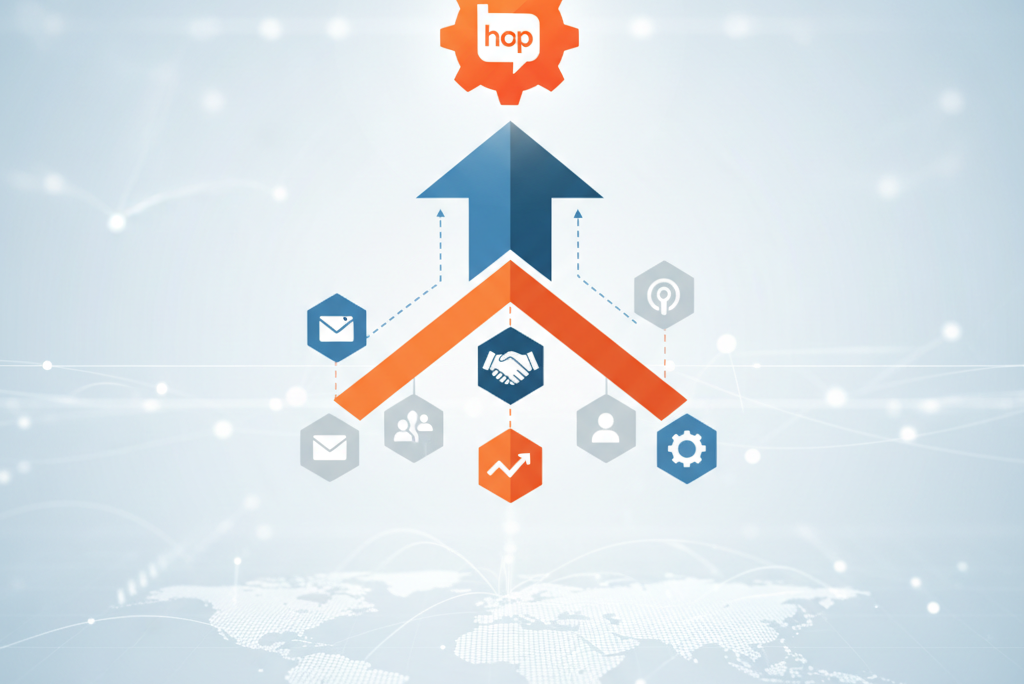
In a digital landscape often dominated by attention-grabbing ads and disruptive outbound tactics, HubSpot stands as a testament to the enduring power of a different philosophy: inbound marketing. Born from the idea that modern buyers prefer to be attracted rather than interrupted, HubSpot didn’t just advocate for inbound; it became the definitive case study for its success. For business owners, founders, and marketing managers navigating the complexities of B2B growth, HubSpot’s journey offers invaluable insights into building topical authority, generating qualified leads, and cultivating a loyal customer base through strategic content and community engagement.
The Genesis of Inbound: Solving for the Modern Buyer
Before HubSpot popularized the term “inbound,” the marketing world largely relied on traditional outbound methods. Cold calling, direct mail, and interruptive advertising were the norms. However, as the internet empowered consumers with unprecedented access to information, buyer behavior fundamentally shifted. People began researching solutions independently, consulting reviews, and engaging with brands on their own terms, making traditional tactics less effective and increasingly expensive.
From Outbound Clutter to Inbound Clarity: Why Inbound Emerged
The rise of search engines and social media meant that potential customers no longer waited for companies to reach out. Instead, they actively sought answers, solutions, and information. This fundamental change created a void that outbound marketing struggled to fill. Buyers became adept at filtering out unwanted messages, leading to declining response rates and a growing frustration with intrusive advertising.
It was in this evolving environment that Brian Halligan and Dharmesh Shah founded HubSpot in 2006. They recognized that marketing needed to adapt to the new buyer’s journey. Instead of pushing messages out, companies needed to pull customers in by providing value, educating them, and building trust. This simple yet profound shift became the cornerstone of the inbound methodology.
HubSpot’s Vision: Attract, Engage, Delight
The inbound methodology, as articulated by HubSpot, revolves around three core phases: attract, engage, and delight. Each phase is designed to align with how modern buyers interact with businesses:
- Attract: Drawing the right audience to your website and content through valuable resources that address their pain points. This primarily involves content marketing, SEO, and social media.
- Engage: Building relationships with prospects by providing insights and solutions that align with their goals and challenges. This includes lead nurturing, marketing automation, and personalized communication.
- Delight: Providing outstanding customer service and support that ensures customer satisfaction and transforms them into promoters of your brand. This encompasses CRM usage, customer success initiatives, and feedback loops.
HubSpot’s genius lay not just in defining this methodology but in building a comprehensive software platform that enabled businesses to execute it seamlessly, effectively integrating marketing, sales, and customer service.
Pillar 1: Content Marketing as the North Star
At the heart of HubSpot’s inbound success is an unparalleled commitment to content marketing. They didn’t just produce content; they built an empire of educational resources that positioned them as the ultimate authority in digital marketing, sales, and customer service.
Becoming the Google for Marketers: Comprehensive Resources
HubSpot’s blog is arguably the most recognized element of their content strategy. It covers an exhaustive range of topics relevant to their target audience, from beginner guides to advanced strategies. The sheer breadth and depth of their articles ensure that whether you’re a marketing intern or a seasoned CMO, you’ll find valuable insights. This consistent, high-quality output established them as a go-to resource, driving immense organic traffic.
Beyond the blog, HubSpot expanded its content offering to include:
- E-books, Guides, and Templates: These serve as premium lead magnets, offering in-depth knowledge and practical tools in exchange for contact information. They provide tangible value, demonstrating HubSpot’s expertise.
- HubSpot Academy: This free online learning platform offers certifications in inbound marketing, content marketing, SEO, and more. It not only educates millions of professionals but also subtly trains them in the HubSpot way, fostering a generation of marketers familiar with their philosophy and tools.
- Webinars and Podcasts: Expanding their content into various formats, HubSpot uses webinars to dive deep into specific topics and podcasts to offer thought leadership and interviews with industry experts.
This multi-format content strategy ensures they cater to diverse learning preferences and touchpoints, maximizing reach and engagement.
SEO Mastery and Topical Authority
HubSpot’s content isn’t just voluminous; it’s meticulously optimized for search engines. They understood early on the importance of ranking for high-intent keywords relevant to their audience’s problems. Their strategy moved beyond individual keyword targeting to building “topic clusters,” where a central “pillar page” comprehensively covers a broad subject, linking out to numerous supporting articles that delve into specific sub-topics.
This approach not only improved their search rankings but also built incredible topical authority. By covering entire subjects thoroughly and interlinking related content, HubSpot signals to search engines that they are the definitive source of information. This long-term SEO strategy has resulted in millions of organic visitors monthly, establishing a consistent pipeline of potential leads.
Pillar 2: Community Building and Ecosystem Cultivation
HubSpot’s success extends beyond content creation; it’s deeply rooted in its ability to build and nurture a vibrant community and a robust ecosystem around its brand and products.
The HubSpot Community: Forum for Engagement and Support
The official HubSpot Community forum is a testament to the power of user-generated content and peer support. It provides a platform for users to ask questions, share best practices, offer solutions, and connect with other HubSpot users and experts. This not only offloads some customer support burden but also fosters a sense of belonging and mutual learning among its users, strengthening brand loyalty.
This organic interaction also generates valuable feedback for product development and helps in identifying emerging trends and common challenges within their user base.
Partner Program: Empowering Agencies and Consultants
One of HubSpot’s most ingenious growth strategies is its extensive Partner Program. By empowering marketing agencies and consultants (like Branding Brains) to become certified HubSpot partners, they created a powerful network of advocates who not only resell their software but also implement inbound strategies for their clients using HubSpot’s tools. This channel provides scalable growth, extends their reach into diverse markets, and positions HubSpot as an indispensable platform for digital agencies globally.
Agencies often seek to deliver comprehensive digital marketing solutions, and a partnership with a platform like HubSpot allows them to streamline client operations, measure ROI more effectively, and offer integrated services. At Branding Brains, we understand the critical role such platforms play in executing cohesive digital marketing and performance marketing strategies for our clients, ensuring that every piece of content and every campaign contributes to a larger, measurable goal.
Events and Conferences: INBOUND as a Brand Tentpole
HubSpot’s annual INBOUND conference has grown into one of the largest and most influential events in the marketing and sales world. It brings together tens of thousands of professionals, thought leaders, and innovators for several days of learning, networking, and inspiration. INBOUND is more than just a conference; it’s a massive brand experience that reinforces HubSpot’s position as a leader, fosters community, and generates significant buzz and media attention.
These events allow HubSpot to connect with its audience on a deeper level, showcase new product developments, and reinforce its core values, all while attracting new prospects and delighting existing customers.
Pillar 3: Sales & Marketing Alignment Through Technology
HubSpot understood that even the best inbound marketing strategy falters if sales and marketing teams aren’t perfectly aligned. Their integrated platform was designed to break down traditional departmental silos and facilitate seamless collaboration.
The CRM as the Central Nervous System
At the core of HubSpot’s platform is its customer relationship management (CRM) system. By making a robust CRM available (with a powerful free tier), HubSpot ensures that all customer interactions, from initial website visit to post-sale support, are tracked and centralized. This provides a unified view of the customer journey, enabling both marketing and sales teams to access critical data and tailor their approaches accordingly.
A well-maintained CRM allows for precise lead scoring, efficient handoff of qualified leads from marketing to sales, and personalized communication throughout the sales cycle, directly contributing to higher conversion rates and improved customer satisfaction.
Automation for Nurturing and Personalization
HubSpot’s marketing automation capabilities are pivotal in nurturing leads and delivering personalized experiences at scale. Automated email sequences, based on user behavior (e.g., content downloads, page visits), ensure that prospects receive relevant information at the right time. Chatbots provide instant answers, qualify leads, and direct them to appropriate resources or sales representatives.
This level of automation ensures that no lead falls through the cracks and that every interaction is purposeful, moving prospects closer to a purchasing decision while maintaining a human touch where necessary.
Analytics and Data-Driven Optimization
An essential aspect of HubSpot’s platform is its comprehensive analytics. Marketers and business leaders can track everything from website traffic and content performance to lead generation and sales conversions. This data empowers teams to understand what’s working, identify bottlenecks in the funnel, and make data-driven decisions for continuous optimization.
By providing clear ROI metrics, HubSpot demonstrates the tangible value of inbound marketing, helping businesses justify their investments and refine their strategies over time.
Lessons for Business Owners and Marketing Leaders
HubSpot’s journey offers profound lessons for any organization looking to thrive in the digital age:
Invest in Education, Not Just Promotion
The long-term ROI of creating valuable, educational content far outweighs short-term promotional blasts. By investing in thought leadership and solving your audience’s problems proactively, you build trust, establish authority, and attract highly qualified leads organically.
Foster a Community Around Your Brand
Your customers and partners can be your most powerful advocates. Create platforms and opportunities for them to connect, share, and learn from each other. This not only builds loyalty but also generates user-generated content and valuable feedback that can drive your business forward.
Break Down Silos: Align Sales and Marketing
For B2B growth, seamless sales and marketing alignment is non-negotiable. Technology like a unified CRM can facilitate this, ensuring both teams are working towards common goals with a shared understanding of the customer journey and consistent messaging.
Embrace Iteration and Data-Driven Decisions
Digital marketing is not a set-it-and-forget-it endeavor. Continuously analyze your performance data, test new strategies, and iterate. HubSpot’s own evolution is a testament to the power of agility and adapting to changing market dynamics.
The Branding Brains Perspective: Implementing Inbound for Your Business
HubSpot’s journey underscores a fundamental truth: sustainable digital growth isn’t about shouting the loudest, but about providing the most value. For businesses aspiring to emulate this success, building a robust inbound marketing strategy is paramount. It requires a deep understanding of your target audience, a commitment to creating high-quality, SEO-optimized content, and the strategic integration of marketing, sales, and customer service efforts.
At Branding Brains, we understand these intricate dynamics. We help businesses develop comprehensive digital marketing strategies that attract the right audience, engage them with compelling content, and delight them into loyal customers. From crafting bespoke content strategies and executing precise SEO campaigns to optimizing digital funnels and integrating CRM solutions, our approach is always geared towards building topical authority and driving measurable growth. We partner with you to turn marketing insights into actionable strategies, ensuring your brand stands out and thrives in a competitive landscape.
Conclusion
HubSpot didn’t just sell software; it pioneered a philosophy that revolutionized how businesses approach marketing and sales. Their enduring success is a powerful illustration of how investing in valuable content, building strong communities, and aligning internal teams through integrated technology can lead to unparalleled B2B growth. For any business owner or marketing leader looking to navigate the complexities of the digital realm, the HubSpot playbook offers a compelling blueprint for attracting, engaging, and delighting customers on a journey toward sustainable success.