

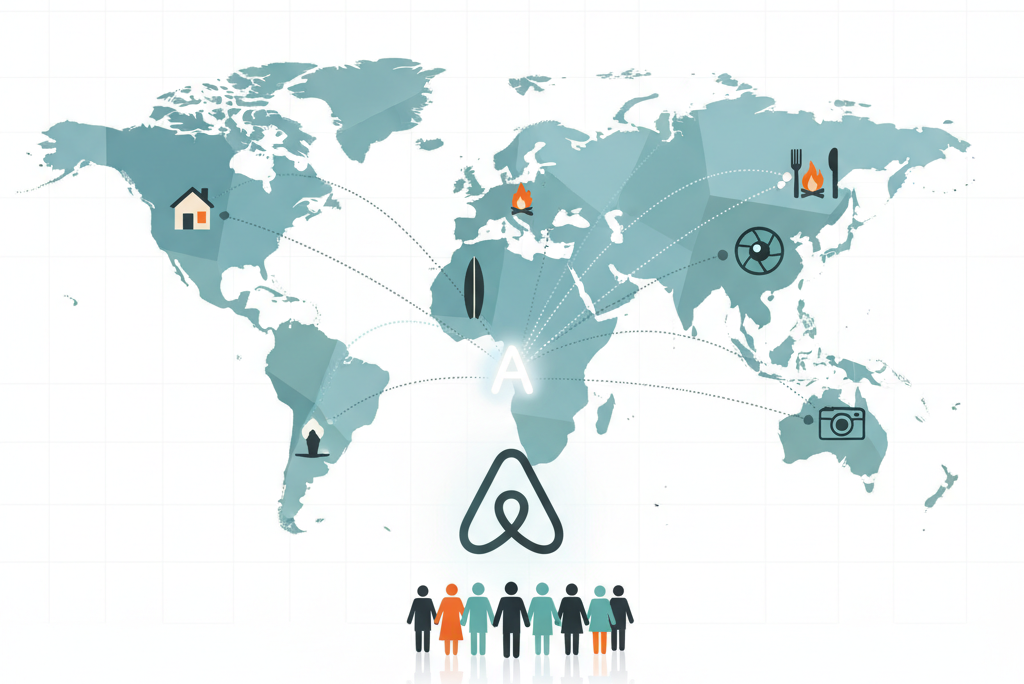
In the fiercely competitive landscape of digital commerce, some brands don’t just succeed; they redefine their entire industry. Airbnb is a prime example. What started as an innovative solution for overbooked hotels during a design conference has blossomed into a global hospitality giant, valued in billions. Their journey offers a masterclass in digital marketing, moving far beyond traditional advertising to build a brand rooted in community, trust, and unforgettable experiences. For business owners, founders, and marketing managers looking to achieve exponential growth and build lasting brand loyalty, understanding Airbnb’s strategic playbook provides invaluable insights into leveraging unconventional tactics and deep customer understanding.
The Genesis of a Global Phenomenon: Early Growth Hacks and Trust Building
Airbnb’s initial ascent wasn’t powered by massive ad budgets but by ingenuity and a keen understanding of their target users’ pain points. Their early marketing strategies were a fascinating blend of audacious growth hacking and meticulous attention to user experience, all centered around building trust in a novel concept.
The Craigslist Gambit: Unconventional Cross-Posting for Initial Traction
One of Airbnb’s most famous early growth hacks involved leveraging Craigslist. Recognizing that many people searching for accommodation or posting available rooms also frequented Craigslist, the founders devised a system to cross-post Airbnb listings onto the popular classifieds site. This wasn’t a simple integration; it required reverse-engineering Craigslist’s posting process to make it easy for Airbnb hosts to duplicate their listings. This strategy provided a massive influx of early users and significantly boosted visibility at virtually no cost. It demonstrated a willingness to go where the audience already was, even if it meant unconventional tactics.
Professional Photography: Elevating Listings and Building Trust
Early on, Airbnb faced a significant challenge: many listings featured poor-quality photos, which deterred potential guests. The founders realized that professional, high-quality photography could drastically improve the perceived value and trustworthiness of a listing. They personally visited early hosts, taking professional photos of their properties for free. This hands-on approach directly addressed a major conversion barrier, not only making listings more appealing but also subtly conveying a sense of legitimacy and care from the platform itself. This was an early form of user experience optimization, proving that investment in the finer details can yield substantial returns.
Cultivating a Global Community: Beyond Transactions to Connections
Airbnb didn’t just sell rooms; it sold the idea of belonging and connection. Their marketing strategy pivoted from mere accommodation to fostering a vibrant, global community of hosts and guests. This focus on human connection became the bedrock of their brand identity and a powerful driver of organic growth.
Storytelling and Local Experiences: Marketing the “Belong Anywhere” Vision
The “Belong Anywhere” campaign encapsulated Airbnb’s core promise: to offer authentic, local experiences that make travelers feel at home, regardless of their destination. This was achieved through powerful storytelling that highlighted unique stays, diverse hosts, and the personal connections made through the platform. Their content marketing focused on destinations as experiences, not just locations. High-quality editorial content, user-generated stories, and visually rich campaigns consistently reinforced the idea that Airbnb offered more than a hotel – it offered a piece of local life. This approach resonated deeply with travelers seeking authenticity and adventure, creating a powerful emotional bond with the brand.
Host Programs and Support: Empowering the Supply Side
A marketplace thrives on both demand and supply. Airbnb understood that nurturing its host community was paramount. They implemented robust support systems, educational resources, and community forums for hosts. Programs like “Superhost” status incentivized exceptional service and built a sense of prestige. By empowering hosts, providing them with tools for success, and acknowledging their vital role, Airbnb ensured a consistent supply of high-quality listings. This focus on the supply side through community-building tactics directly impacted the overall user experience and trust for guests.
Referral Programs: Leveraging Network Effects for Expansion
Airbnb mastered the art of referral marketing. Their highly successful referral program, which offered credits to both the referrer and the referred new user, tapped into the power of word-of-mouth. By making it mutually beneficial, they incentivized their existing user base to become brand advocates. This strategy was particularly effective because trust is a huge factor in travel decisions; people are more likely to try a new service if it’s recommended by someone they know. The referral program fueled viral growth, turning every satisfied guest and host into a potential marketing channel, significantly reducing customer acquisition costs as the brand scaled globally.
Experiential Marketing: Selling Memories, Not Just Stays
As Airbnb matured, its marketing evolved beyond just finding a place to stay. It shifted towards selling complete travel experiences, recognizing that travelers sought more than just a bed – they sought adventure, culture, and connection. This move solidified Airbnb’s position as a lifestyle brand.
Airbnb Experiences: Expanding the Value Proposition
The launch of “Airbnb Experiences” marked a significant expansion of their service offering. Instead of just homes, users could now book unique activities led by local experts – from cooking classes with a local chef to surfing lessons or guided nature walks. This move allowed Airbnb to capture more of the travel budget and further embed the “belong anywhere” philosophy by offering deeper, more immersive connections to local culture. It was a brilliant experiential marketing play that not only generated new revenue streams but also reinforced the brand’s commitment to authentic, local interaction.
Data-Driven Personalization: Tailoring Recommendations for Travelers
Behind Airbnb’s seemingly organic community lies a sophisticated data infrastructure. They leverage vast amounts of user data – past bookings, search history, wish lists, and demographic information – to offer highly personalized recommendations for both stays and experiences. This data-driven approach enhances the user experience, making it easier for travelers to discover relevant listings and activities. Personalization not only improves conversion rates but also builds a stronger relationship with users, making them feel understood and valued. For businesses, understanding and utilizing customer data to tailor content and offerings is a cornerstone of modern digital marketing success, helping to craft unique customer journeys like those Branding Brains designs for its clients.
Lessons for Modern Marketers: Applying Airbnb’s Playbook
Airbnb’s journey provides a blueprint for brands looking to disrupt industries, build fervent communities, and achieve sustainable growth. Their success highlights several critical areas for any digital marketing strategy.
Prioritize Community and Trust in Your Marketing Strategy
Airbnb proved that trust is the ultimate currency, especially in a sharing economy. Brands must actively invest in building and nurturing their community, whether it’s customers, users, or partners. Focus on transparency, reliable support, and creating platforms for interaction. For those in service industries, demonstrating expertise and reliability, much like Branding Brains does through its transparent strategies and client-centric approach, is crucial for fostering long-term relationships.
Embrace Unconventional Growth Tactics When Needed
Don’t be afraid to think outside the box. Airbnb’s Craigslist hack demonstrates that innovative, often low-cost, tactics can yield significant early traction. While established channels like SEO, PPC, and social media are vital, continuously exploring new avenues and leveraging existing platforms creatively can provide a competitive edge. Experimentation and agility are key components of a robust growth marketing strategy.
Focus on Experiential Value and Storytelling
In a crowded market, simply selling a product or service isn’t enough. Brands must sell an experience, a lifestyle, or a solution to a deeper need. Airbnb’s “Belong Anywhere” narrative and “Experiences” offerings show the power of selling memories and connections. Craft compelling stories that resonate emotionally with your target audience, illustrating the true value and impact of your brand beyond its features.
Leverage User-Generated Content and Feedback
Airbnb’s reliance on host-provided content and guest reviews underscores the power of user-generated content (UGC). UGC builds authenticity, trust, and social proof more effectively than any paid advertisement. Encourage reviews, testimonials, and user stories. Actively listen to feedback to refine your product, service, and marketing messages. This continuous loop of engagement and improvement is vital for sustained relevance and growth.
Airbnb’s remarkable growth isn’t just about a clever business model; it’s a testament to a digital marketing strategy that prioritizes human connection, innovative growth hacking, and the creation of tangible, memorable experiences. By understanding these principles, businesses can move beyond transactional relationships to build powerful brands that resonate deeply with their audience, fostering loyalty and driving exponential growth in an ever-evolving digital landscape. Embracing such a holistic approach is what defines leaders in digital marketing today, and it’s precisely the kind of strategic thinking that Branding Brains brings to its clients.