

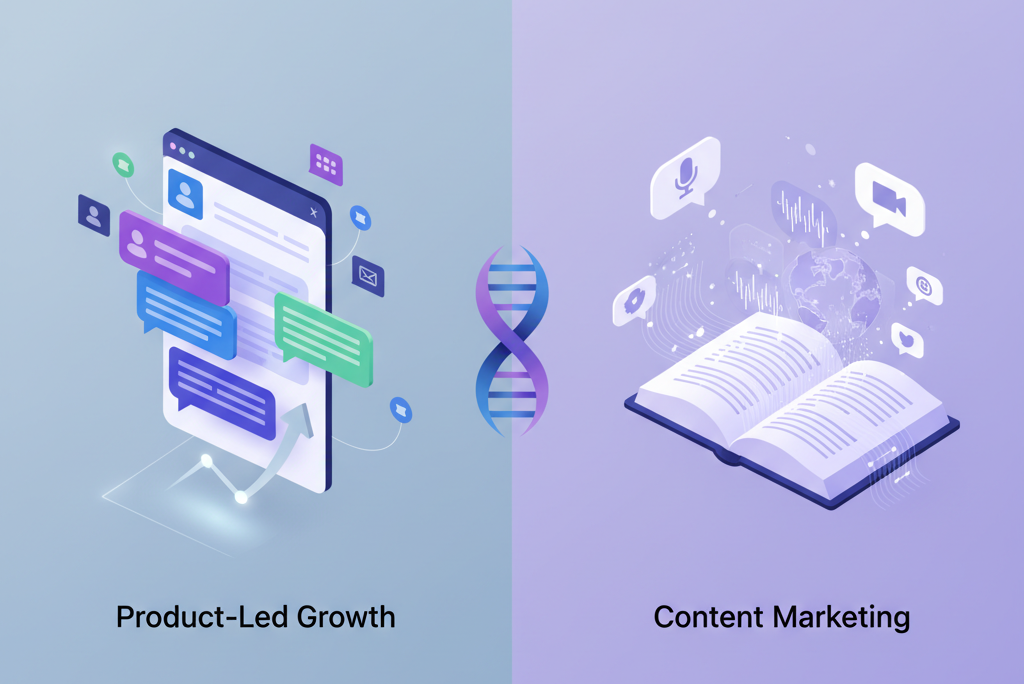
In the competitive landscape of B2B software, a handful of companies redefine industry standards and achieve seemingly meteoric growth. Slack is undeniably one such brand. From its humble beginnings as an internal communication tool for a gaming company to becoming a ubiquitous “digital headquarters” for businesses worldwide, Slack’s journey offers a masterclass in modern digital marketing strategy. This deep dive explores how Slack successfully melded product-led growth (PLG) with a sophisticated content marketing approach and robust community building to disrupt traditional B2B sales cycles and achieve unparalleled market penetration. For business owners, founders, and marketing managers, understanding Slack’s strategy provides invaluable insights into scaling a SaaS business and building enduring brand loyalty.
The Traditional B2B Sales Funnel vs. Slack’s Disruptive Approach
Historically, B2B sales operated on a top-down model. Companies would invest heavily in lead generation through outbound sales, trade shows, and gated content, generating Marketing Qualified Leads (MQLs) that would then be passed to sales teams as Sales Qualified Leads (SQLs). This process was often lengthy, costly, and relied on direct sales interactions to close deals.
Slack, however, flipped this model on its head. Instead of targeting C-suite executives with enterprise-level pitches from the outset, Slack focused on a bottom-up adoption strategy. Their primary goal was to get the product into the hands of individual users and small teams, allowing them to experience its value firsthand. This approach, known as Product-Led Growth (PLG), minimised the need for extensive sales intervention early in the customer journey and dramatically reduced the customer acquisition cost (CAC) associated with traditional B2B sales.
- Traditional B2B: Marketing -> Sales Development -> Sales -> Customer
- Slack’s PLG: User -> Team -> Department -> Organisation -> Sales (for enterprise)
This fundamental shift was critical to their exponential growth, demonstrating that the product itself could be the primary engine for acquisition, retention, and expansion.
Product-Led Growth (PLG): The Core of Slack’s Expansion
Product-Led Growth is a business methodology where the product itself serves as the primary driver of customer acquisition, conversion, and expansion. Slack’s execution of PLG is a benchmark for the SaaS industry, built on several key pillars:
The Freemium Model and Frictionless Onboarding
Slack offered a generous free tier that allowed teams to use most of its core functionalities without any commitment. This freemium model was not a mere trial; it was a fully functional version that provided significant value. This significantly lowered the barrier to entry, enabling organic adoption within organisations. The onboarding process was intuitive and self-service, allowing users to quickly set up channels, invite teammates, and start collaborating without needing sales demos or complex integrations.
Viral Loops and Network Effects
The very nature of a communication platform means its value increases with more users. Slack expertly leveraged this network effect. Once a few team members started using Slack, others had to join to participate in the conversation. This created internal viral loops, spreading adoption organically within departments and across organisations. The more people that used Slack, the more indispensable it became, making it difficult for teams to switch to alternatives once embedded.
User Experience (UX) as a Competitive Advantage
Slack invested heavily in a delightful user experience. Its clean interface, powerful search capabilities, robust integrations with other business tools (like Google Drive, Trello, Zoom), and customisable notifications made it incredibly sticky. The focus was always on solving user problems and enhancing productivity, making the product a joy to use rather than a chore. This user-centric design philosophy fostered strong brand loyalty and turned everyday users into advocates.
Content Marketing as an Amplifier, Not Just a Lead Generator
While PLG drove initial adoption, Slack’s sophisticated content marketing strategy amplified its reach, educated its growing user base, and reinforced its brand positioning. Their content wasn’t just about direct lead generation; it was about empowering users, providing thought leadership, and building a rich ecosystem around the product.
Helpful Resources and Productivity Playbooks
Slack’s blog and resource center are treasure troves of practical advice. Instead of overtly selling, they focused on content that helped users get the most out of Slack and improve their overall productivity. This included:
- How-to Guides: Detailed articles on optimising workflows, setting up channels, using integrations, and advanced features.
- Productivity Tips: General advice on remote work, team collaboration, and digital communication best practices, applicable even beyond Slack usage.
- Use Cases and Success Stories: Showcasing how diverse teams and industries leveraged Slack to solve specific challenges, offering relatable examples for potential customers.
This content positioned Slack as an expert in modern work practices, not just a software vendor.
Thought Leadership and Industry Insights
Slack regularly published content exploring the future of work, remote collaboration trends, and the psychology of team dynamics. By contributing to broader industry conversations, they cemented their reputation as thought leaders. This approach attracted business owners and marketing managers looking for strategic insights, subtly drawing them into the Slack ecosystem even before they became users.
Ecosystem Marketing through Integrations
Slack’s extensive App Directory is a form of content marketing. By showcasing thousands of integrations with other tools, they demonstrated Slack’s versatility and its ability to act as a central hub for various business operations. This content not only added value but also expanded Slack’s utility, making it indispensable for many businesses already using those integrated tools.
Building a Community: From Users to Advocates
Beyond the product and content, Slack understood the power of community in fostering loyalty and driving sustained growth. They cultivated a vibrant ecosystem of users, developers, and partners.
User Groups and Forums
Slack facilitated the creation of user groups and online forums where users could share tips, ask questions, and help each other. This bottom-up community building empowered users and created a sense of belonging, transforming them from mere customers into active participants in the Slack journey.
Developer Ecosystem
By providing robust APIs and developer tools, Slack encouraged third-party developers to build custom integrations and applications on its platform. This not only expanded Slack’s functionality but also created an army of advocates who were deeply invested in the platform’s success. This developer community became a powerful engine for innovation and expanded use cases.
Brand Advocacy and Word-of-Mouth
Satisfied users, empowered by the product and supported by the community, became Slack’s most potent marketing channel: word-of-mouth. Recommendations from peers within professional networks proved far more influential than any traditional advertisement, driving organic adoption and reinforcing Slack’s reputation as a leader in team communication.
Strategic Brand Positioning: More Than Just a Chat App
Slack’s brand positioning was meticulously crafted to elevate it beyond a simple messaging tool. They positioned themselves as the “digital HQ” – the central nervous system for modern work. This aspirational branding resonated deeply with businesses navigating digital transformation and seeking more efficient, collaborative ways to operate.
- Problem-Centric Messaging: They didn’t sell features; they sold solutions to common workplace frustrations like email overload, fragmented communication, and slow decision-making.
- Future-Oriented Vision: Slack consistently communicated a vision of a more productive, organised, and collaborative future of work, aligning itself with progress and innovation.
- Consistent Tone: Their branding maintained a friendly, approachable, yet professional tone across all communications, from product interfaces to marketing campaigns.
This strategic positioning enabled Slack to command premium pricing for its enterprise offerings and solidify its status as an essential business tool, not just an optional one.
Actionable Insights for Your Business: Emulating Slack’s Success
Slack’s story isn’t just about a successful tech company; it’s a blueprint for integrated digital marketing and growth strategy that any business can learn from. Here are key takeaways for business owners, founders, and marketing managers:
Prioritize Product Experience
If you have a digital product or service, invest heavily in user experience (UX) and intuitive design. Can your customers achieve value quickly and easily without extensive training? A friction-free onboarding process and a delightful user journey are paramount for organic growth.
Embrace a Hybrid Growth Model
Consider how a freemium or free trial model can drive initial adoption. Even if your business isn’t pure SaaS, elements of a “try-before-you-buy” or a value-first approach can significantly reduce CAC. Combine this with strategic sales efforts for larger accounts.
Content for Empowerment, Not Just Sales
Shift your content marketing focus from solely lead generation to educating and empowering your audience. Create resources that help them succeed, whether or not they immediately purchase your product. This builds trust, authority, and long-term relationships.
Foster a Community
Look for ways to build a community around your brand. This could be through online forums, user groups, social media engagement, or even local meetups. Empowering your users to connect with each other and your brand transforms them into advocates.
Define Your Unique Value Proposition (UVP)
Clearly articulate the core problem your business solves and how you solve it uniquely. Slack didn’t just offer “chat”; it offered “the digital HQ.” Your brand’s positioning should resonate with the aspirations and challenges of your target audience.
Measure What Matters
Beyond traditional marketing KPIs, track product engagement metrics, user activation rates, and customer lifetime value. For a product-led strategy, understanding how users interact with your offering is as crucial as understanding where your leads come from.
Developing and executing such an integrated, multi-channel strategy requires deep expertise in digital marketing, branding, and growth funnels. Understanding the nuances of PLG alongside a robust content strategy can be complex, but the potential for transformative growth is immense. If you’re looking to elevate your digital presence and unlock similar growth trajectories, partnering with experts who understand these sophisticated strategies is a strategic move. The right guidance can help tailor these insights into an actionable plan unique to your business challenges and goals.
Conclusion
Slack’s journey from a niche tool to a global communication powerhouse is a testament to the power of a holistically designed digital strategy. By prioritising the product as the primary growth engine, amplifying its reach through valuable content, building a robust community, and crafting a compelling brand narrative, Slack didn’t just sell software – it sparked a revolution in workplace communication. For any business aspiring to achieve significant organic visibility and sustainable growth in today’s digital age, Slack’s integrated approach offers a compelling and actionable roadmap.