

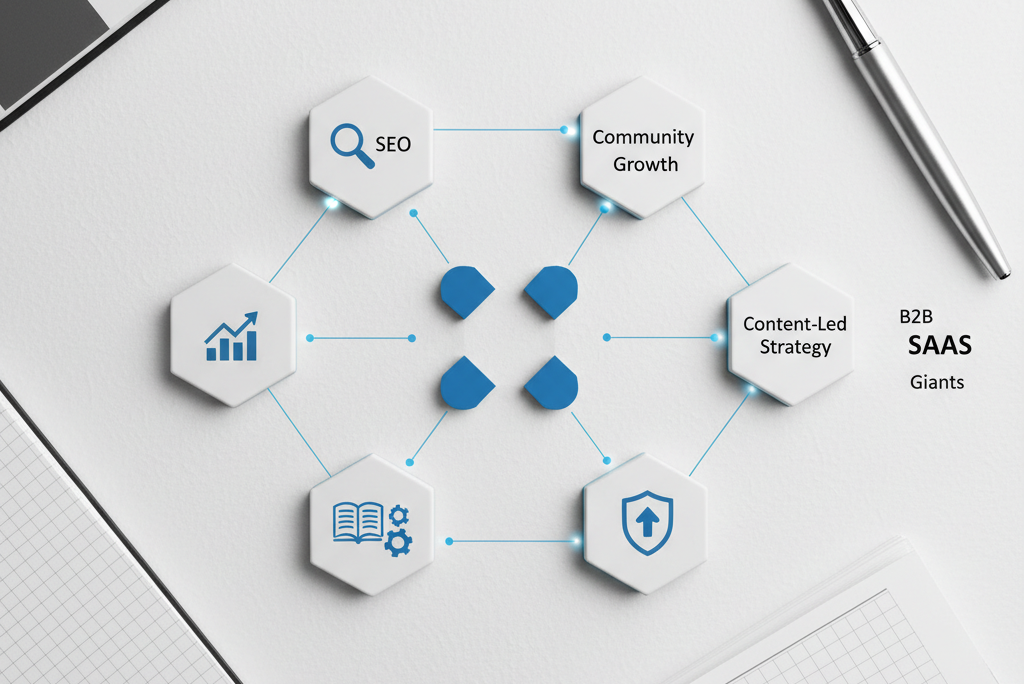
In the competitive landscape of B2B SaaS, the conventional wisdom often dictates a heavy reliance on direct sales teams, extensive outreach, and complex lead qualification processes. Yet, some of the industry’s most successful giants have defied this norm, building empires with a remarkably different approach. Atlassian, the company behind indispensable tools like Jira, Confluence, Trello, and Bitbucket, stands as a prime example of a brand that has leveraged content-led SEO, robust community building, and a product-led growth strategy to achieve unparalleled organic visibility and market dominance without a traditional sales-heavy model. For business owners, founders, and marketing managers navigating the complexities of B2B digital growth, Atlassian’s journey offers a masterclass in building sustainable topical authority and attracting high-intent customers.
How does a company providing highly technical, enterprise-grade software manage to acquire millions of users and maintain global leadership primarily through organic channels? The answer lies in a meticulously crafted strategy where content isn’t just a marketing tool; it’s a core product, a support system, and a magnet for organic search traffic. This deep dive into the Atlassian playbook will unpack the strategies that have allowed them to thrive, providing actionable insights for any business looking to replicate their success in building a formidable digital presence.
The Unique Atlassian Growth Model: Product-Led & Sales-Averse
Atlassian’s foundational philosophy centers on a “land and expand” strategy driven by the product itself. Instead of expensive top-down sales cycles targeting C-suite executives, Atlassian empowers individual teams and developers to discover, adopt, and champion their tools organically. This product-led growth model means:
- Self-Service Onboarding: Users can typically sign up, try, and even purchase products without direct interaction with a sales representative.
- Freemium & Tiered Pricing: Many Atlassian products offer free tiers or low-cost entry points, allowing teams to experience value before committing to larger subscriptions.
- Bottom-Up Adoption: Tools often start with a small team and then spread horizontally across departments and vertically throughout the organization as their value becomes apparent.
This approach necessitates an incredibly robust digital presence. If sales teams aren’t doing the heavy lifting of education and persuasion, content and community must step in to fulfill those roles effectively and at scale. This is where Atlassian’s SEO and content strategy truly shines, acting as the primary engine for discovery, education, and conversion.
Content as a Core Product and SEO Powerhouse
Atlassian views content not just as marketing collateral but as an integral part of its product ecosystem. Every piece of content serves a distinct purpose, from educating new users to empowering power users, all while naturally building a massive footprint for search engines.
Deep-Dive Documentation & Knowledge Bases
For highly technical software, comprehensive documentation isn’t a luxury; it’s a necessity. Atlassian excels here, creating vast, meticulously organized knowledge bases for all its products. Think of the Confluence documentation, Jira Software guides, or Bitbucket tutorials. These aren’t just dry manuals; they are living repositories of information that:
- Address User Pain Points: Users facing specific technical challenges often turn to search engines for solutions. Atlassian’s documentation directly answers these long-tail, high-intent queries (e.g., “how to integrate Jira with Slack,” “Jira sprint planning best practices”).
- Build Topical Authority: By comprehensively covering every facet of project management, code collaboration, and team communication, Atlassian demonstrates unparalleled expertise in its domain. This signals to search engines that they are the definitive source for these topics.
- Create SEO Real Estate: Each page within these knowledge bases represents a potential entry point from search. The sheer volume and depth of this content provide an enormous advantage, capturing traffic for thousands of niche keywords that competitors might overlook.
Strategic Blog & Educational Content
Beyond product-specific documentation, Atlassian maintains a network of powerful blogs and educational hubs that go beyond feature announcements. These platforms deliver thought leadership, industry insights, and best practices across various domains relevant to their user base:
- Agile & DevOps: Their Agile Coach portal and DevOps resources offer invaluable content on methodologies, processes, and tools, attracting a broad audience interested in software development and project management paradigms.
- Team Collaboration & Remote Work: With tools like Confluence and Trello, Atlassian naturally publishes content on effective team collaboration, remote work strategies, meeting best practices, and productivity hacks. This broadens their appeal beyond just developers.
- Targeting Diverse Personas: Content is tailored not just for developers, but also for project managers, IT leaders, product owners, and even executive decision-makers, addressing their specific challenges and offering solutions.
This strategy positions Atlassian not just as a tool provider, but as a trusted advisor and educator, driving organic traffic through problem-solution content that aligns perfectly with search intent.
Atlassian Community & Forums: User-Generated SEO Gold
One of Atlassian’s most ingenious content strategies involves harnessing the power of its vast user base. The Atlassian Community is a thriving ecosystem where users ask questions, share solutions, and offer advice. This user-generated content (UGC) is an SEO goldmine because:
- Authenticity & Real-World Solutions: Community discussions often tackle nuanced problems that official documentation might not cover, providing highly relevant answers to complex queries.
- Long-Tail Keyword Capture: Users naturally employ the language they use in search queries. Forums become rich repositories of unique, long-tail keywords that perfectly match search intent.
- Evergreen Content: Solutions shared by the community often remain relevant for extended periods, continuously drawing traffic.
- Trust & Authority: Solutions from peers and community leaders often carry more weight than purely corporate content, fostering trust and brand loyalty.
Atlassian actively curates and moderates this community, ensuring quality and organizing discussions to maximize their discoverability by search engines.
Atlassian University & Training
To further deepen product adoption and skill development, Atlassian offers comprehensive training programs and certifications through Atlassian University. These structured courses and tutorials serve multiple purposes:
- Skill Development: Helps users master Atlassian tools, leading to higher retention and greater ROI for their organizations.
- Brand Authority: Positions Atlassian as the authoritative source for training on its products, cementing its expert status.
- Content Expansion: The curriculum, course descriptions, and related study materials create yet another layer of valuable, keyword-rich content that draws organic search traffic.
Building a Vibrant Ecosystem and Community Engagement
Atlassian’s success isn’t just about passive content; it’s about fostering an active, engaged community and a sprawling ecosystem around its products.
The Atlassian Marketplace
The Atlassian Marketplace is a crucial component of their ecosystem, offering thousands of apps and integrations developed by third-party vendors. This not only extends the functionality of Atlassian products but also:
- Enhances User Value: Users can customize their Atlassian experience to fit specific workflows and needs, making the core products even stickier.
- Creates Network Effects: As more apps are developed, more users are drawn to the platform, creating a virtuous cycle.
- SEO Benefits from Partner Content: Each app listing, its documentation, and associated content contribute to Atlassian’s overall search footprint, leveraging the efforts of their vast partner network.
User Groups & Events
Atlassian actively supports and often sponsors local user groups (e.g., Atlassian User Groups – AUGs) around the world. They also host major global events like Team ‘XX (formerly Summit). These initiatives:
- Strengthen Community Bonds: Provide opportunities for users to connect, share knowledge, and build professional networks.
- Generate Buzz & Content: Events and user group meetings create a steady stream of user-generated social media content, event summaries, and shared insights that further amplify Atlassian’s online presence.
- Gather Feedback: Direct interaction with users provides invaluable feedback for product development and strategy.
Feedback Loops & Product Innovation
Atlassian has mastered the art of listening to its community. Feedback forums, beta programs, and direct engagement within the community are vital for shaping product roadmaps. This constant iteration based on user needs ensures that products remain relevant and valuable, directly fueling customer satisfaction and word-of-mouth growth – which indirectly supports long-term SEO through brand mentions and positive sentiment.
SEO Best Practices from the Atlassian Playbook
While the volume and quality of Atlassian’s content are impressive, its strategic optimization for search engines is what truly transforms it into an SEO powerhouse.
Semantic Keyword Strategy for B2B
Atlassian doesn’t just target broad keywords. Their strategy delves deep into semantic SEO, understanding the specific intent behind B2B search queries:
- Problem-Solution Queries: “How to manage remote teams in Jira,” “best practices for agile sprint retrospectives.”
- Technical Terms: Precise definitions and explanations for terms like “CI/CD pipeline,” “Kanban board,” “DevOps automation.”
- Comparison Keywords: “Jira vs. Asana,” “Confluence alternatives,” targeting users in the evaluation phase of their buying journey.
By mapping content to every stage of the B2B buyer journey and anticipating technical queries, Atlassian captures highly qualified traffic.
Internal Linking & Site Architecture
Given the immense volume of content, a meticulous internal linking strategy is critical. Atlassian’s sites are expertly structured, with relevant pages linking to each other, forming a robust network that:
- Passes Link Equity: Strong internal links distribute authority across the entire domain, boosting the ranking potential of individual pages.
- Improves User Experience: Guides users to related content, keeping them engaged and helping them find answers efficiently.
- Facilitates Crawling: Helps search engine bots discover and index all pages efficiently, ensuring comprehensive coverage.
Content Freshness & Evergreen Updates
In the fast-evolving world of software, content can quickly become outdated. Atlassian is diligent about keeping its documentation, tutorials, and even blog posts updated. This commitment to content freshness:
- Maintains Accuracy: Ensures users always find current and correct information.
- Boosts SEO Rankings: Search engines favor fresh, relevant content, leading to better organic visibility over time.
- Reaffirms Authority: Demonstrates an ongoing commitment to providing value to its user base.
Global SEO & Localization
As a global company, Atlassian has also invested in localization. Their documentation and key marketing pages are often available in multiple languages, ensuring that users worldwide can access content in their native tongue. This strategic approach to global SEO expands their reach significantly and captures international market share effectively.
Key Takeaways for Your B2B Growth Strategy
The Atlassian playbook offers invaluable lessons for any business aiming to establish or enhance its B2B digital presence and achieve sustainable growth:
- Embrace Content as an Investment, Not an Expense: Quality, in-depth content that truly solves user problems is the cornerstone of B2B SEO. It’s a long-term asset that continually generates leads and builds authority.
- Foster Community for Sustainable Growth: Empower your users to connect, share, and support each other. User-generated content and community engagement are powerful, cost-effective drivers of SEO and brand loyalty.
- Think Product-Led Growth: Design your product and marketing to enable self-discovery and organic adoption. Make it easy for users to try and experience the value of your offering.
- Master Semantic SEO: Go beyond broad keywords. Understand the specific problems and questions your target audience is searching for, and create comprehensive content that answers them.
- Build a Robust Internal Linking Structure: Your website’s architecture is crucial. Ensure your content is logically organized and extensively interlinked to maximize search engine crawlability and distribute authority.
- Commit to Content Freshness: Regularly review and update your content to ensure its accuracy and relevance. Evergreen content requires ongoing maintenance to remain effective.
At Branding Brains, we understand that mastering B2B digital growth requires a nuanced approach, blending deep SEO expertise with strategic content development and community building. Inspired by models like Atlassian’s, we help businesses craft tailored strategies that drive organic visibility, establish topical authority, and achieve sustained growth. We specialize in building the digital frameworks that enable B2B companies to attract, engage, and convert their ideal customers through intelligent content and smart SEO.
Conclusion
Atlassian’s journey from a small Australian startup to a global B2B SaaS powerhouse is a powerful testament to the efficacy of an unconventional marketing strategy. By placing content at the core of their product experience, meticulously optimizing for search intent, and cultivating an incredibly active community, they have built a moat of topical authority and organic visibility that few can rival. For businesses looking to thrive in the digital age, the Atlassian playbook serves as a compelling reminder that the most sustainable growth often comes from empowering users, solving their problems with exceptional content, and allowing the product to speak for itself, amplified by intelligent SEO.