
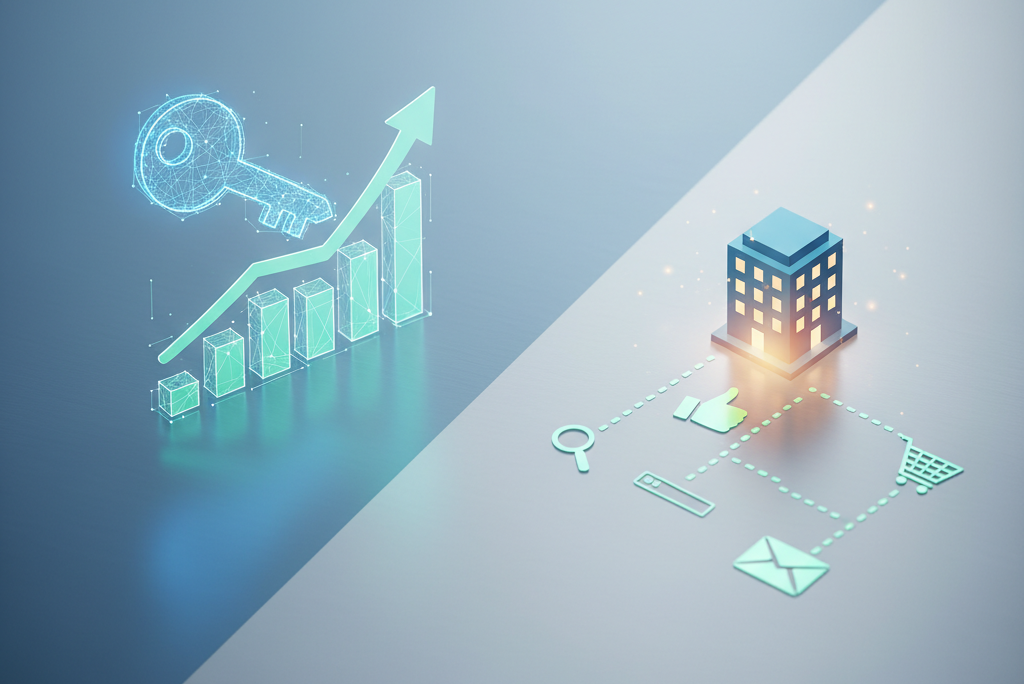
In an increasingly digital world, the landscape for small businesses is constantly evolving. What once worked for attracting customers – local newspaper ads, flyers, or word-of-mouth alone – is no longer sufficient to thrive. Today, your potential customers are spending more time online than ever before, researching products, comparing services, and engaging with brands through various digital platforms. For small businesses, this shift presents both a challenge and an enormous opportunity. The question isn’t whether your business needs a digital presence, but rather, how effectively you can leverage digital marketing to connect with your audience, build your brand, and ultimately, drive sustainable growth.
This comprehensive guide delves deep into the myriad benefits that digital marketing offers to small businesses. From expanding your reach beyond geographical boundaries to building stronger customer relationships and achieving a competitive edge, we will explore why a robust digital marketing strategy is not just an option, but an absolute necessity for success in the modern marketplace.
Why Digital Marketing is No Longer Optional for Small Businesses
The transition from traditional marketing to digital strategies is not merely a trend; it’s a fundamental change in consumer behavior and market dynamics. Small businesses, often operating with limited resources, might feel overwhelmed by the prospect of entering the digital realm. However, the costs of not embracing digital marketing far outweigh the investment required to get started. Here’s why:
- Consumer Behavior Has Shifted Dramatically: The vast majority of purchasing decisions begin online. Whether it’s searching for a local restaurant, researching a service provider, or buying a product, consumers turn to search engines, social media, and review sites before making a choice. If your business isn’t visible where your customers are looking, you’re missing out on a significant portion of the market.
- A Level Playing Field: Digital marketing empowers small businesses to compete with larger enterprises. Through strategic SEO, targeted social media campaigns, and compelling content, a small business can often achieve similar, if not better, visibility and engagement than a well-established corporation, especially within niche markets.
- Cost-Effectiveness and Efficiency: Traditional advertising methods like print ads, radio spots, and television commercials can be prohibitively expensive for small businesses and often offer limited targeting capabilities. Digital marketing, on the other hand, provides more affordable options with highly precise targeting, ensuring your marketing budget is spent more efficiently and yields a higher return on investment.
The Core Benefits: How Digital Marketing Empowers Small Businesses
Let’s dive into the specific advantages that digital marketing brings to the table for small businesses:
Expanded Reach and Global Visibility
One of the most transformative benefits of digital marketing is its ability to break down geographical barriers. A local brick-and-mortar store can suddenly reach customers not just in its immediate vicinity, but across an entire region, country, or even globally, depending on its products or services.
- Breaking Geographical Limits: Websites, e-commerce platforms, and social media allow small businesses to showcase their offerings to anyone with an internet connection. This opens up entirely new markets and customer segments that were previously inaccessible through traditional marketing channels.
- Increased Brand Exposure: Consistent online presence across various digital channels – search engines, social media, online directories – significantly increases your brand’s exposure. More people will become aware of your business, leading to greater recognition and recall when they need your products or services.
Cost-Effectiveness and Higher ROI
For small businesses, every dollar counts. Digital marketing offers unparalleled cost-efficiency compared to its traditional counterparts.
- Lower Marketing Spend: Many digital marketing strategies, such as SEO and content marketing, can generate organic traffic and leads over time without direct per-click costs. Even paid advertising platforms allow for much smaller budgets and precise targeting, preventing wasteful spending.
- Measurable Return on Investment (ROI): Unlike traditional marketing where measuring exact ROI can be challenging, digital tools provide detailed analytics. You can track every click, impression, conversion, and sale, allowing you to understand what’s working, optimize your campaigns, and ensure your investment is yielding positive returns.
Precise Audience Targeting
Imagine being able to show your advertisement only to people who are genuinely interested in your product or service. Digital marketing makes this a reality, drastically improving the effectiveness of your campaigns.
- Demographic and Psychographic Targeting: Platforms like Google Ads and social media advertising allow you to target specific demographics (age, gender, location), interests, behaviors, and even job titles. This precision ensures your message reaches the most relevant audience.
- Personalized Marketing: With detailed audience data, you can create highly personalized marketing messages and offers. This level of personalization resonates more deeply with potential customers, increasing engagement and conversion rates.
Enhanced Brand Recognition and Credibility
A strong online presence is synonymous with modern professionalism. Digital marketing helps small businesses build and maintain a reputable brand image.
- Professional Online Presence: A well-designed website, active social media profiles, and positive online reviews collectively build a professional and trustworthy image for your business. This presence is often the first interaction potential customers have with your brand.
- Building Trust Through Content: By providing valuable content (blog posts, videos, infographics) that addresses customer pain points and offers solutions, small businesses can establish themselves as industry experts and trusted advisors, significantly boosting their credibility.
- Customer Reviews and Testimonials: Digital platforms facilitate customer reviews, which are incredibly powerful social proof. Positive reviews enhance trust and encourage new customers to choose your business, while actively responding to all feedback shows a commitment to customer satisfaction.
Measurable Results and Data-Driven Decisions
One of the most empowering aspects of digital marketing is the ability to track, analyze, and optimize every aspect of your campaigns. This data-driven approach removes guesswork and leads to more effective strategies.
- Comprehensive Analytics Tools: Google Analytics, social media insights, and various ad platform dashboards provide a wealth of data on website traffic, user behavior, engagement rates, conversion paths, and more. This information is invaluable for understanding your audience and the effectiveness of your efforts.
- Real-Time Optimization: With access to real-time data, small businesses can quickly identify what’s working and what isn’t. This allows for immediate adjustments to campaigns, optimizing performance on the fly and ensuring resources are always directed towards the most impactful strategies.
- Informed Decision Making: The insights gained from digital marketing analytics enable businesses to make informed decisions about their products, services, marketing messages, and overall business strategy, leading to continuous improvement and growth.
Stronger Customer Relationships and Loyalty
Digital marketing provides numerous avenues for direct interaction and relationship building with customers, fostering loyalty and repeat business.
- Direct Engagement: Social media platforms, email marketing, and live chat features allow for direct, two-way communication with customers. This personal interaction builds rapport and makes customers feel valued.
- Personalized Communication: Through email marketing and CRM systems, small businesses can segment their audience and send personalized messages, offers, and updates. This tailored approach strengthens the customer-brand bond and encourages repeat purchases.
- Feedback and Support: Digital channels provide easy ways for customers to give feedback, ask questions, and seek support. Prompt and helpful responses enhance customer satisfaction and demonstrate your commitment to service excellence, turning customers into advocates.
Competitive Advantage
In today’s competitive landscape, ignoring digital marketing means falling behind. Embracing it offers a clear advantage.
- Staying Relevant: A strong digital presence ensures your small business remains relevant in the eyes of modern consumers. It shows that you are forward-thinking and committed to meeting customers where they are.
- Outmaneuvering Competitors: By effectively utilizing SEO, social media, and content marketing, small businesses can often gain a competitive edge over larger or less digitally savvy rivals. You can target niche markets, provide superior online customer service, and build a unique brand voice that stands out.
- Innovation and Adaptability: The digital world is constantly evolving. A commitment to digital marketing encourages businesses to stay innovative, adapt to new technologies, and explore emerging platforms, ensuring long-term resilience and growth.
Flexibility and Adaptability
Digital marketing offers unparalleled flexibility in how and when campaigns are executed and modified.
- Agile Campaign Management: Unlike traditional ads that might require long lead times and are difficult to change once launched, digital campaigns can be started, paused, or altered almost instantly. This agility allows businesses to respond quickly to market trends, news, or competitor activities.
- Testing and Experimentation: Digital platforms are ideal for A/B testing different headlines, images, calls to action, or landing page designs. Small businesses can continuously experiment to find what resonates best with their audience, leading to continuous improvement in campaign performance.
Key Digital Marketing Channels for Small Businesses
To realize these benefits, small businesses often utilize a combination of the following digital marketing channels:
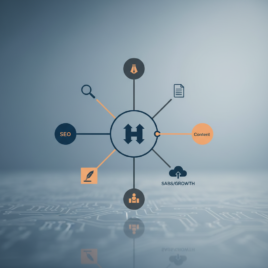
- Search Engine Optimization (SEO): Optimizing your website and content to rank higher in search engine results for relevant keywords. This drives organic (unpaid) traffic and establishes authority over time.
- Social Media Marketing: Engaging with customers and building a community on platforms like Facebook, Instagram, LinkedIn, or TikTok. This helps with brand awareness, customer service, and direct sales.
- Content Marketing: Creating and distributing valuable, relevant, and consistent content (blogs, videos, infographics) to attract and retain a clearly defined audience. This establishes expertise and nurtures leads.
- Email Marketing: Building an email list to send newsletters, promotions, and personalized communications. It’s excellent for nurturing leads, retaining customers, and driving repeat business.
- Pay-Per-Click (PPC) Advertising: Running paid ad campaigns on search engines (Google Ads) or social media platforms. This offers instant visibility, highly targeted traffic, and measurable results for specific campaigns.
- Website Design and User Experience (UX): Your website is your digital storefront. A professional, user-friendly, and mobile-responsive website is fundamental to all digital marketing efforts, ensuring visitors have a positive experience and are encouraged to convert.
Overcoming Common Digital Marketing Hurdles for Small Businesses
While the benefits are clear, small businesses often face common challenges when diving into digital marketing:
- Time Commitment: Digital marketing requires consistent effort. The key is to start small, focus on a few channels, and gradually expand as you gain expertise and see results.
- Budget Constraints: Many digital marketing tools and strategies are accessible even on a tight budget. Prioritize organic strategies like SEO and content marketing, which offer long-term value, and carefully allocate small budgets to highly targeted paid campaigns.
- Lack of Expertise: You don’t need to be an expert in everything. Start by learning the basics, leverage free online resources, or consider outsourcing specific tasks to freelancers or agencies as your budget allows. Many platforms also offer user-friendly interfaces to get started.
Conclusion
In today’s hyper-connected world, digital marketing is no longer a luxury but a fundamental pillar for the success and sustainability of small businesses. It offers an unparalleled opportunity to transcend geographical limitations, connect directly with your target audience, build a strong and credible brand, and achieve measurable growth with a level of efficiency and cost-effectiveness that traditional methods simply cannot match. From the precision of targeting to the power of data-driven decisions and the ability to forge lasting customer relationships, the benefits are transformative.
Embracing digital marketing isn’t just about adapting to change; it’s about actively shaping the future of your business. It’s an investment that pays dividends in increased visibility, enhanced customer loyalty, and ultimately, a thriving enterprise. Don’t let your small business be left behind. Start your digital marketing journey today, explore the channels that best suit your needs, and unlock the immense potential for growth and success that awaits in the digital realm.